
The 9 Cognitive Domains
Cognition refers to how we think, understand, and remember information. It encompasses different abilities or "domains," like perceiving what's happening around us, remembering experiences, making decisions, and controlling our actions. Cognitive abilities can be organized in different ways. They're often grouped by the type of thinking involved or by which brain regions support them. They can also be thought of hierarchically, with foundational abilities like sensation and perception forming the base, and more complex abilities like reasoning and problem-solving building upon them. Neuropsychologists use comprehensive testing to evaluate how well someone is functioning across these different cognitive domains. This testing helps identify whether there are difficulties with brain function that might stem from neurological conditions, psychiatric disorders, developmental differences, or other causes.

Sensation & Perception
Sensation refers to the way we can notice things through our five senses: sight, hearing, touch, taste, and smell.
Perception is about how we understand and make sense of what we feel and notice through our senses. For example, recognizing objects or sounds we’ve experienced before is part of perception.
Hemi-neglect is a perceptual but not a sensory problem that refers to inattention to objects on one side of the visual field. That is, the object can be seen, heard, or felt, but the individual doesn’t know that it is there.

Motor Skills
Motor skills are about how we move our body and use our muscles. There are different types of motor skills, including fine motor skills like being able to use your hands to do delicate tasks, or more global skills like having good balance.
Fine motor skills are often tested in a neuropsychological evaluation by having someone do the same task with their dominant and non-dominant hand. These tests are helpful for finding out if someone has basic problems with movement or if they have trouble understanding instructions. This is important to know before testing more complex thinking abilities.

Attention & Concentration
Attention can be divided into two major subdomains: selective attention is the ability that allows us to focus on what is important and ignore what is not; and sustained attention is the ability to be vigilant and maintain your attention on a subject for a long time. Attention is often critical for performing any other more complex cognitive activity.

Processing Speed
Processing speed is about how fast you can do a task, whether it is simple or complex. This type of ability is important. It is also the one that is most affected in severe mental illness like schizophrenia or major depression. It may also be impaired in neurodegenerative conditions like Parkinson’s disease and dementia. When your processing speed is slow, it can make it hard to do everyday tasks.

Working Memory
Working memory represents our brain’s temporary storage of information. It holds information that you need to use right now but could discard later, like a shopping list while you’re at the store. It is limited in how much information it can hold and how long it can hold it.
Working memory has two components: the storage of information in your mind and the ability to change or manipulate that information. For example, when we do mental arithmetic, we have to remember the elements of the questions and compute the result in our mind.

Language
Language requires both being able to understand what is said and being able to express oneself. Language skills are implicated in understanding the meaning of words, associating objects with their names, and following verbal instructions.
Aphasia is a term used to describe language problems, and there are different types of aphasia described by experts. Language skills are tested by measuring fluency, object naming, and the ability to follow instructions. Language issues are most commonly seen in people with brain damage, stroke, or degenerative conditions like dementia.
Visuospatial Construction
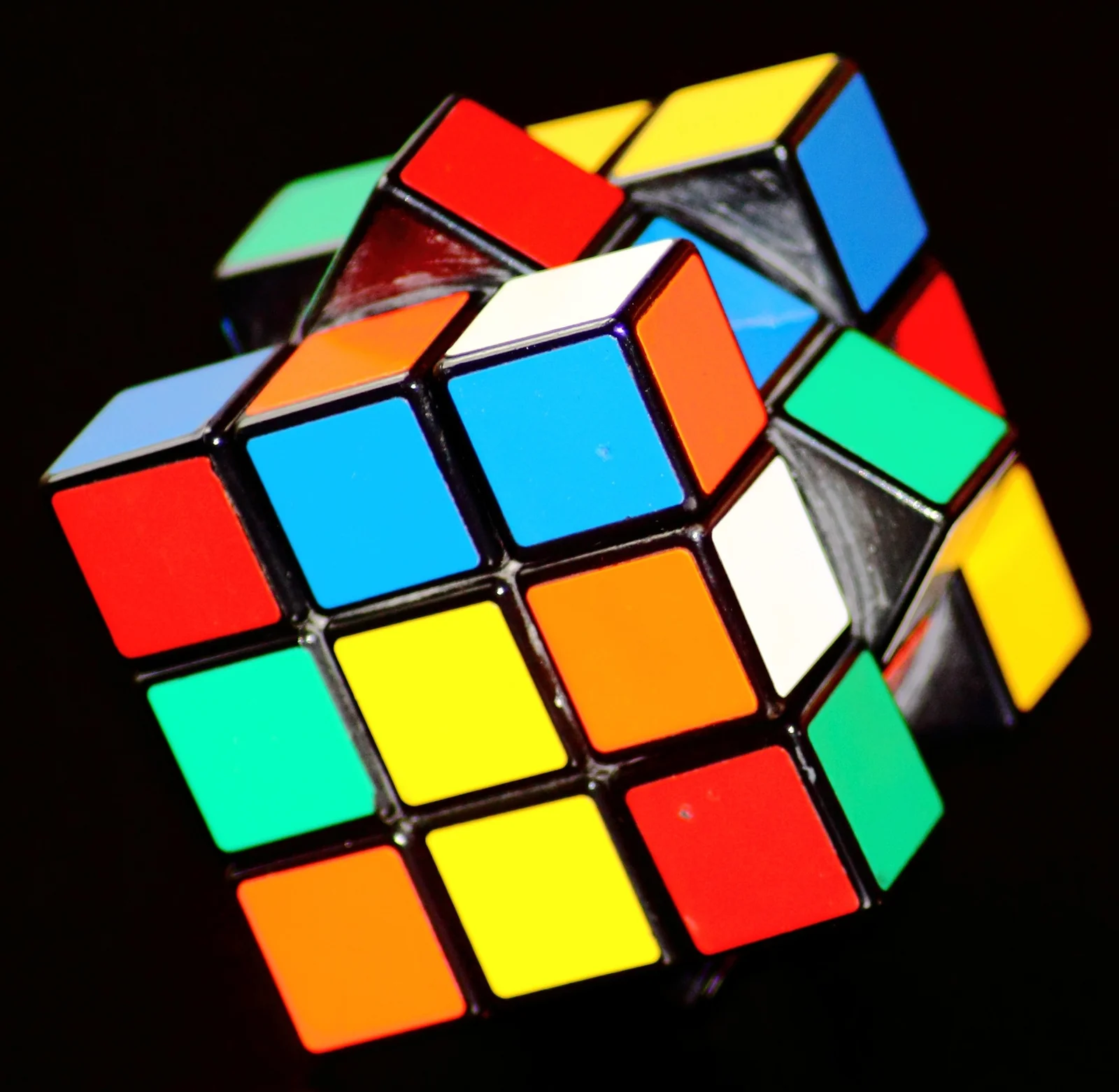
Visuospatial construction requires perceiving and manipulating visuospatial information, like when we draw a picture or copy a picture of everyday objects.
People with dementia, damage to the right side of their brain, or damage to specific parts of the brain in a region called the parietal cortex may have trouble with visuospatial construction.

Episodic Memory
Episodic memory deals with the longer-term storage of information. It is composed of three main processes. (1) The process of encoding takes information from working memory and turns it into representations that can be stored longer term. (2) The process of storage keeps the information in our memory. (3) And the process of retrieval is the ability to bring back the information we stored. There are different ways to retrieve information, like just trying to remember it on our own or getting help from prompts.

Executive Functioning
Executive functioning represents a collection of cognitive abilities that allow us to solve problems, make plans, and handle complex tasks. To do this well, we especially need cognitive flexibility, the ability to switch between different tasks, and change our strategy when what we are doing if it’s not working.
Executive functioning engages our frontal lobe and our white matter tracts (the brain structures that allow communication between different brain areas). Problems with executive functioning can be seen in types of dementia that affect these parts of the brain.
Some conditions like ADHD, schizophrenia, depression, and obsessive compulsive disorder (OCD) can also cause problems with executive functioning. For example, people with ADHD may be impulsive and easily distracted, while those with schizophrenia might struggle with problem-solving and organization, and those with OCD may have trouble processing information efficiently.